Pros and Cons of Living in Santa Fe: An Honest Guide
Pros and Cons of
Living in Santa Fe:
An Honest Guide
Almost every guide to living in Santa Fe is selling you on it. The light, the culture, the food, the slower pace. All of it is true. None of it tells you the whole story.
I moved to Santa Fe four years ago after a lifetime of visiting. Some things about living here are exactly as wonderful as the brochures promise. Other things genuinely surprised me, and I have watched newcomers struggle with them in ways no one warned them about. A few of my prospective clients have driven home days after arriving because Santa Fe was not what they expected.
If you are seriously considering a move here, you deserve a guide that names the trade-offs honestly. Here is what I tell my clients when they ask me, off the record, what living in Santa Fe is actually like.
The Pros: What Makes Santa Fe Worth Moving To
The Light Will Change How You See
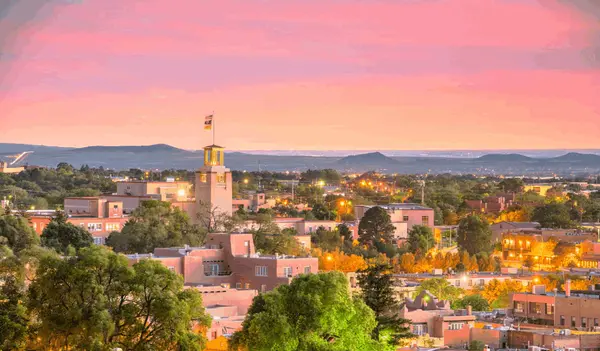
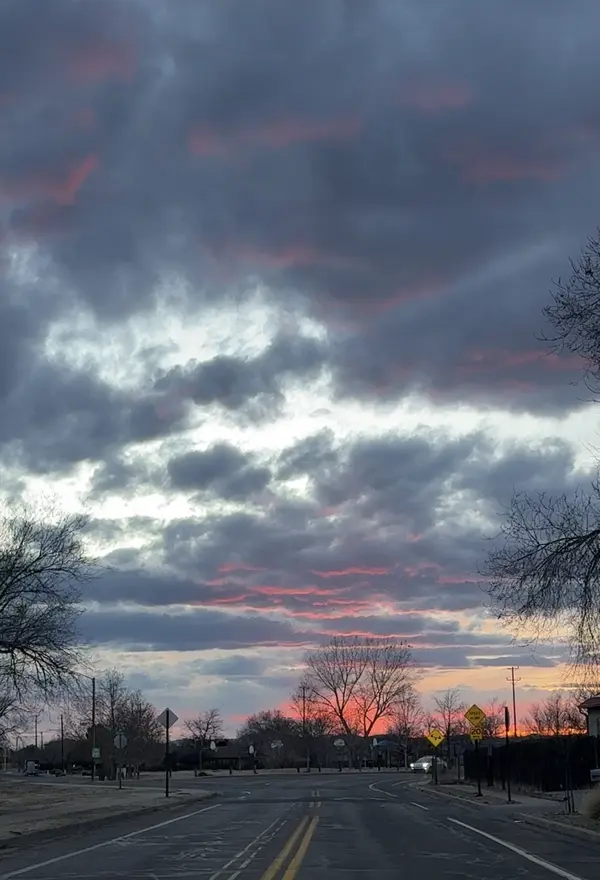
Santa Fe sits at 7,000 feet on the high desert, with roughly three hundred days of sunshine a year. That sounds like a tourism bureau line until you actually live here. The clarity of the air, the way the light hits an adobe wall at four in the afternoon, the way the clouds build over the Sangre de Cristos in the summer monsoon, the sunsets that stop traffic on Highway 599. Painters have been moving here for over a century specifically because of the light. Once you live with it daily, you understand why.
Most newcomers tell me, months in, that the light is what they did not realize they were missing. It is not just beauty. It is a quality of attention the city pulls out of you.
The Culture Is Air, Not Decoration
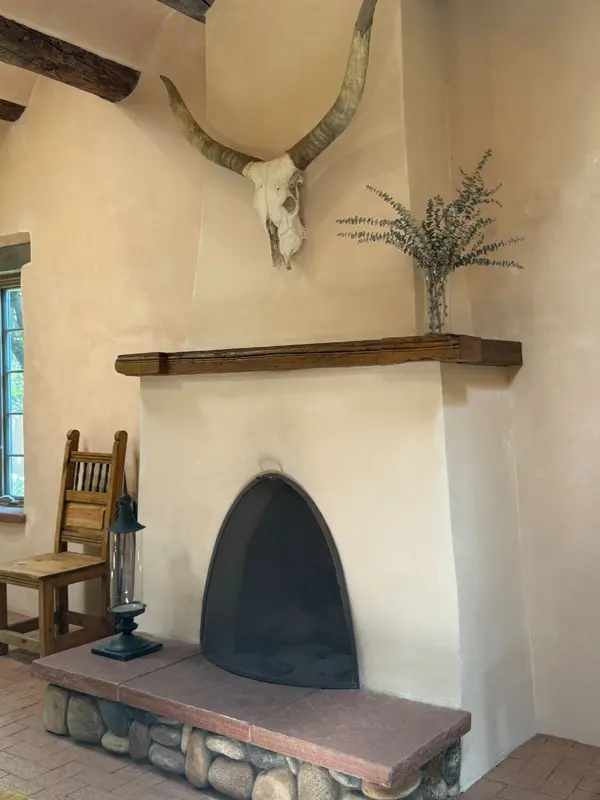
Santa Fe's cultural identity is older than its wealth. The city was founded in 1610 and has been continuously inhabited since. Pueblo, Spanish colonial, Anglo, and global influences live alongside one another in ways that show up in the food, the architecture, the festivals, and the daily texture of life.
The art scene is the most visible part of this. The city has roughly two hundred fifty galleries spread across three distinct districts: downtown, Canyon Road, and the Railyard. The Santa Fe Indian Market in August is the largest and most significant Native American art market in the world. Spanish Market, the Santa Fe Opera season, and Zozobra anchor the summer calendar. Living here, art does not feel like a thing you go to. It feels like a thing you walk through.
Worth a note: the cultural depth is not just historical. It is a living working culture that residents participate in. After a year here, most newcomers find themselves saying things like "we always host friends for Indian Market," and realizing they have become locals.
The Pace Forces You to Slow Down (in a Good Way)
Santa Fe runs on a slower clock than the cities most of my clients are leaving. People take their time. Conversations linger. Restaurants are not in a rush to turn the table. Walking from one errand to the next feels like part of the day, not friction in it.
For people coming from Bay Area, New York, Los Angeles, Chicago, this pace is one of the deepest reasons they end up staying. It is what people actually mean when they talk about quiet luxury: not the absence of quality, but the absence of hurry.
There is a flip side to this pace, which I will get to in the cons section. But for the right person, the slower rhythm is the entire point of moving here.
The Food Punches Far Above Its Weight
For a city of roughly 87,000 people, Santa Fe's restaurant scene is genuinely remarkable. There is a long-running local saying that Santa Fe has more restaurants per capita than almost any city its size in the country, and whether the exact statistic holds up or not, the lived experience matches it. Several Santa Fe kitchens have earned James Beard recognition. The Michelin Guide expanded into the Southwest in recent years and has been turning attention to the local fine-dining scene. From New Mexican classics at long-standing institutions to chef-driven contemporary kitchens, the range is wider than most newcomers expect.
It is also worth saying that the food culture extends beyond high-end restaurants. The Santa Fe Farmers Market, which runs year-round at the Railyard, has been ranked among the best in the country, and the New Mexican comfort food at family-run spots is part of why people fall in love with the city.
The Outdoors Begins Right Outside Your Door
Most American luxury markets are defined by one outdoor pursuit. Aspen is skiing. Jackson Hole is fly fishing. Napa is wine. Santa Fe quietly offers all of them, plus hiking, biking, equestrian, and the kind of high-desert exploration that does not require a destination. Ski Santa Fe is twenty minutes from the Plaza. The Dale Ball trail system is in the city. The Santa Fe National Forest stretches for hundreds of thousands of acres in every direction.
For buyers who want outdoor life without committing to a single sport, this matters. You can ski in the morning, walk Canyon Road in the afternoon, and have dinner at a restaurant that earned national attention. There are not many American cities where that itinerary is a normal day.
The Cons: What People Don't Tell You
The Altitude Is Real, and Sometimes It Wins
Santa Fe sits at over 7,000 feet of elevation. For some people, the adjustment takes a few days. For others, the adjustment never quite happens. Headaches, shortness of breath, sleep disruption, and dehydration are all common while a body acclimates, and a portion of newcomers find their bodies simply do not.
A few years ago I was scheduled to show three homes to a couple from Texas who had reached out online and made the trip up. We saw the first two. The next morning I got a text from the husband saying they had turned around in the middle of the night. His wife had been so sick with altitude symptoms by midnight that she could not sleep, could not breathe well, and had decided she could not live here. They were already past Albuquerque on their way home. The plan to buy a second home in Santa Fe ended twenty-four hours after they arrived.
It does not happen often, but it does happen. If you have any history of altitude-related issues, or any cardiac or pulmonary conditions, talk to your doctor before you commit to a move, and spend at least a few full days here on a non-vacation timeline before you sign anything. Your body will tell you whether this elevation is workable for you long before your real estate agent does.
The Cost of Living Surprises People
Santa Fe is expensive in ways that catch newcomers off guard. Most people arriving from major coastal cities expect a price reset. They get one on some things and not on others.
The biggest shock is housing. Buyers regularly arrive thinking that five hundred thousand dollars is going to buy them a meaningful home in Santa Fe, and discover within a few showings that it puts them in modest condos or smaller homes outside the prime areas. Custom homes in the established neighborhoods generally start above one million. Anything in the historic core or the gated communities runs higher. If you are coming from a high-cost city, the relative discount may still feel meaningful, but Santa Fe is not the inexpensive Southwest market many people imagine.
Utilities, particularly heating and cooling on older homes, can run higher than expected. Property taxes vary by area but are not negligible. For a fuller breakdown of what life actually costs here in 2026, my Cost of Living in Santa Fe guide goes through the line items.
The Allergies and the Dust Are Real
I never had allergies until I moved to Santa Fe. Now I do. So do most of my clients who land here.
The high desert has a year-round procession of allergens. Juniper and cottonwood pollen run heavy in late winter and spring, often starting as early as February. Grass pollen takes over in summer. Sagebrush and Russian thistle dominate fall. The dryness and wind that make the climate so pleasant in other ways also send pollen and dust traveling for miles. There are days, especially in spring, when the air visibly carries dust across the city. Local advertisements joke about it. Long-time residents know what is happening even before checking the air quality reports.
If you have known allergy or respiratory sensitivities, this matters. Even people who have never had allergies often develop them within their first year here. It is not a deal breaker for most buyers, but it is worth knowing before you arrive expecting pristine clear-air living. The dryness is also a real adjustment for people coming from humid climates: skin, sinuses, and sleep all need recalibration.
The Mañana Pace Cuts Both Ways
The slower pace I praised in the pros section has a shadow side. The local saying mañana does not mean tomorrow. It means when I get around to it, which might be next week, or the week after, or the next time the moon is full.
For most aspects of daily life, this is charming. For some aspects of homeownership, it is genuinely frustrating. Reliable contractors are in demand and often booked for months. Service appointments slip. Repairs that would take a week in a coastal city can take two months here. Several of my clients have ended up hiring contractors from Albuquerque and paying the travel premium specifically because the timeline was more reliable.
If you are coming from a city where service appointments are precise and contractors arrive when they say they will, the recalibration here is real. The right move is to budget extra time and patience for any home maintenance project, and to build relationships with the trades early. Worth a note: the people who do show up on time tend to be excellent. The bottleneck is supply, not skill.
Healthcare Is Limited for Specialist Care
Santa Fe has two hospitals and the standard general practitioners and specialists you would expect for a city of this size. For routine care, the situation is fine. For specialist or advanced medical needs, the situation is not.
Many residents who face serious medical situations end up traveling out of state for cancer treatment, complex cardiac care, or specialized procedures. MD Anderson in Houston, Mayo Clinic, and major centers in Denver and Phoenix come up regularly in conversations with my older clients. Albuquerque has more medical infrastructure than Santa Fe and is an hour away, which helps, but it is not the same as living next to a major academic medical center.
For most buyers in good health this does not weigh heavily. For buyers with existing conditions or family histories that require ongoing specialist care, it should be part of the decision. Worth asking specifically: do you have a relationship with a specialist you would not want to give up, and how often do you see them? Some clients of mine have made the move work by maintaining their existing specialist back home and traveling for appointments. Others have decided Santa Fe was not the right fit for that exact reason.
A Couple of Smaller Things Worth Knowing
A few minor frictions that come up enough to mention. The nightlife is light. Most kitchens stop seating after nine, and outside of a handful of live-music venues, the city does not have a late-night scene. If you want to dance until two in the morning, you will be driving to Albuquerque. The shopping is uneven: Santa Fe does have Whole Foods and Trader Joe's and excellent specialty food retailers, but the everyday clothing options are limited and most residents who want broader retail end up making periodic trips to Albuquerque or shopping online. And the public transit system is minimal. You will need a car here, full stop.
None of these are dealbreakers for the buyers I usually work with. They are simply the reality of a small city with strong cultural depth and a weak transit infrastructure.
The Honest Test for Whether Santa Fe Is Right for You
Here is the test I give buyers who are on the fence.
Come to Santa Fe for at least a week, and not on a vacation timeline. Rent a home in a residential neighborhood. Shop for groceries. Get coffee at the same spot two mornings in a row. Drive to your potential commute destinations during rush. Take a Tuesday afternoon walk through whichever neighborhood you think you want to live in. Sit on a bench at three in the afternoon and notice how you feel. Watch a sunset.
If you come home feeling like you cannot wait to get back, you have your answer. If you come home relieved to be back in your old life, you also have your answer.
Santa Fe is not for everyone, and that is part of why the people who do belong here feel so strongly about it. The city does not flatter you. It does not chase you. If you fit, you fit deeply. If you do not, no amount of beautiful real estate is going to change that.
If you are leaning toward yes, the next step is the practical one. My complete guide to relocating to Santa Fe walks through where to land, what the move really costs, and how buyers handle the whole thing from out of state, including the ones who buy sight unseen.
I will end with the only thing I tell every prospective relocation client at the close of our first conversation. The people who move to Santa Fe and stay are the people who came not because they were running from somewhere, but because they were running toward this specific place. If that is you, welcome.
Categories
Recent Posts