Living in Historic Santa Fe: What 400 Years of Culture Means for Today's Homeowner
Living in Historic Santa Fe:
What 400 Years of Culture
Means for Today's Homeowner
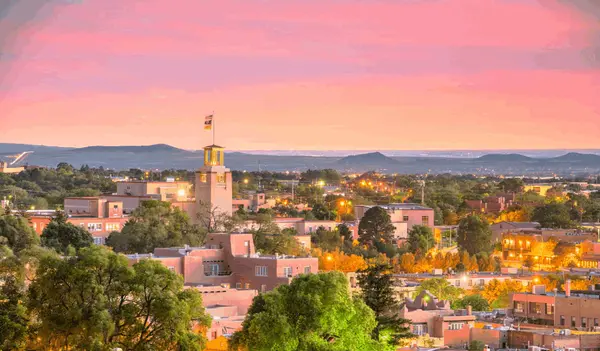
Santa Fe was founded in 1610. That makes it the oldest state capital in the United States, a full decade before the Pilgrims landed at Plymouth Rock. For a buyer moving here from almost anywhere else in America, that fact is more than a trivia question. It changes what it feels like to live in your home.
Most American cities were built yesterday. Their homes are new, their streets follow a grid, their neighborhoods are named after whoever developed them. Santa Fe is the opposite. The Plaza where you eat dinner tonight is the same Plaza where Spanish colonists held markets four hundred years ago. The adobe home you might buy on the Eastside may have been lived in by a dozen families before you, some of whom lived here when New Mexico wasn't yet a state.
Most of my clients who move to Santa Fe tell me, months after they close, that this part surprised them. They expected history as decoration. They found history as a way of life.
Here is what that actually means for you as a homeowner.
The Culture Is Built Into the Walls
In most American cities, culture is something you visit. You go to the museum. You drive to the historic district. You take the kids downtown for a parade.
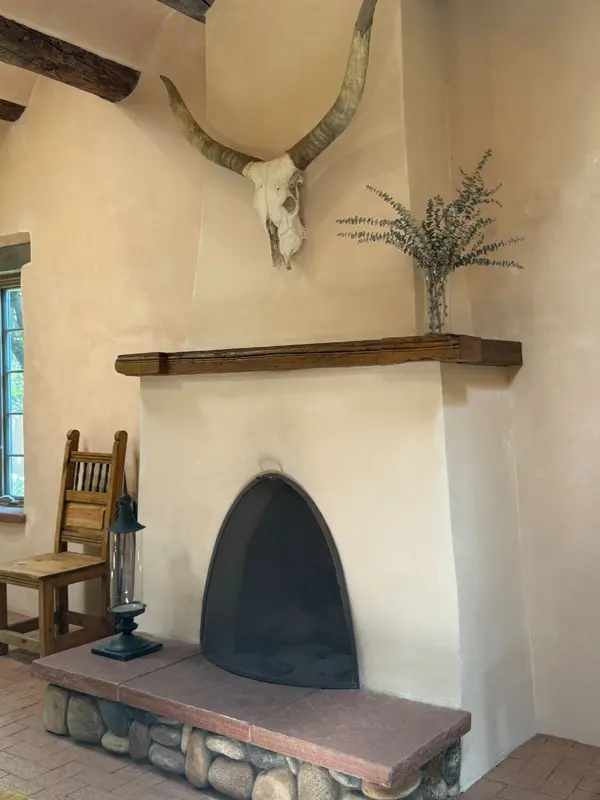
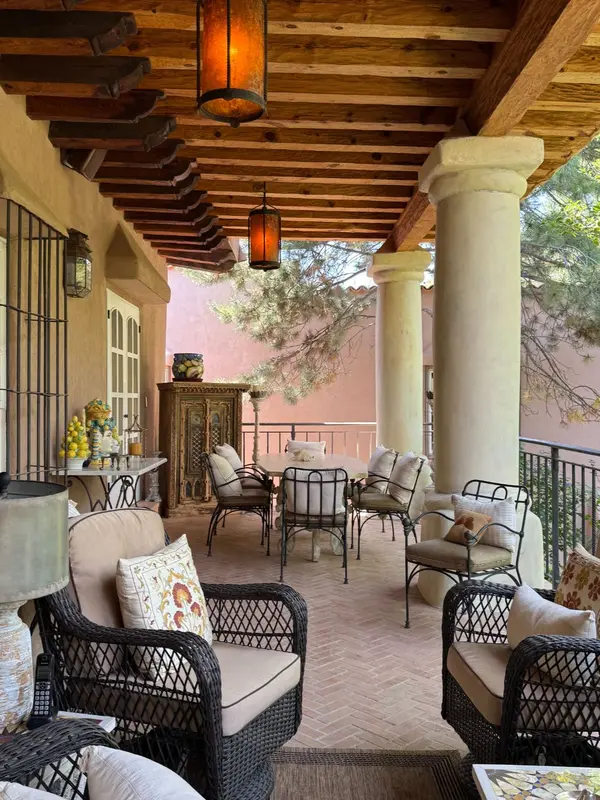
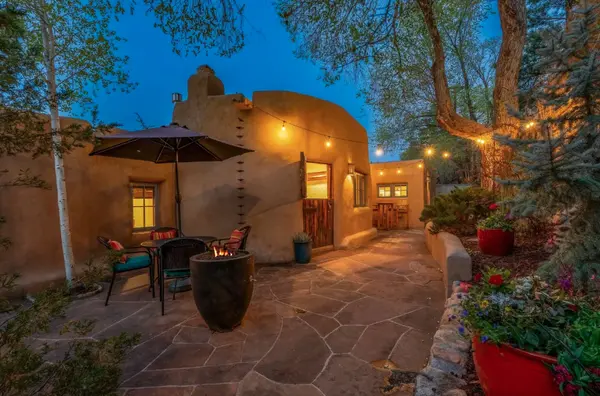
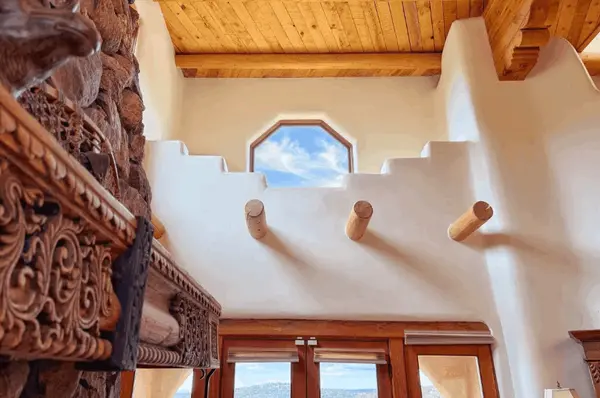
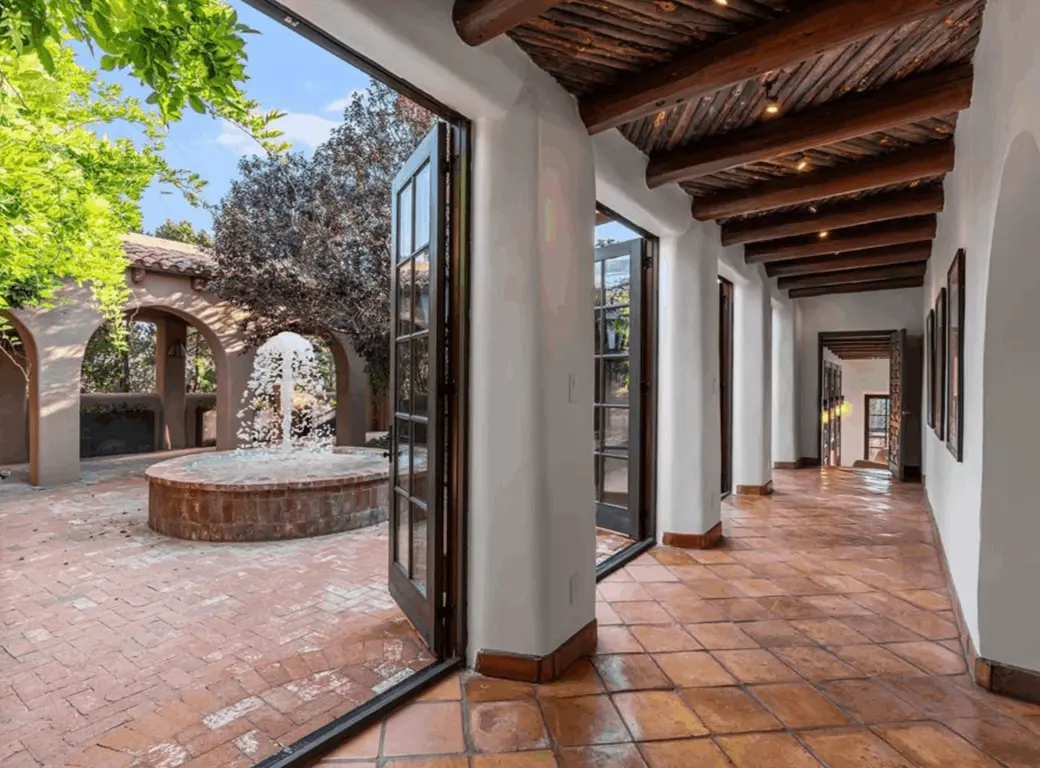
In Santa Fe, culture is where you live. It is in the true adobe construction of a home that has been breathing with the desert for two centuries. It is in the vigas overhead, the kiva fireplace in the living room, the zaguan entryway, the mud plaster that needs re-coating every few years. These are not decorative choices. They are the actual architectural descendants of Pueblo and Spanish building traditions that long predate the United States.
When you own a home like this, you are not buying a house with historic character. You are buying a house that is historic character. There is a difference. The first is a style. The second is a responsibility.
The Historic Districts Review Board Is Real
Every buyer who falls in love with a home in the Historic Eastside, Canyon Road, or one of Santa Fe's other historic districts needs to understand one thing before they make an offer: the Historic Districts Review Board (HDRB) has authority over what you can and cannot change about the exterior of your home.
Want to add a window? You may need HDRB approval. Change the roofline? Definitely. Paint the stucco a non-earth-tone color? Probably not going to happen. Build an addition? Expect a process.
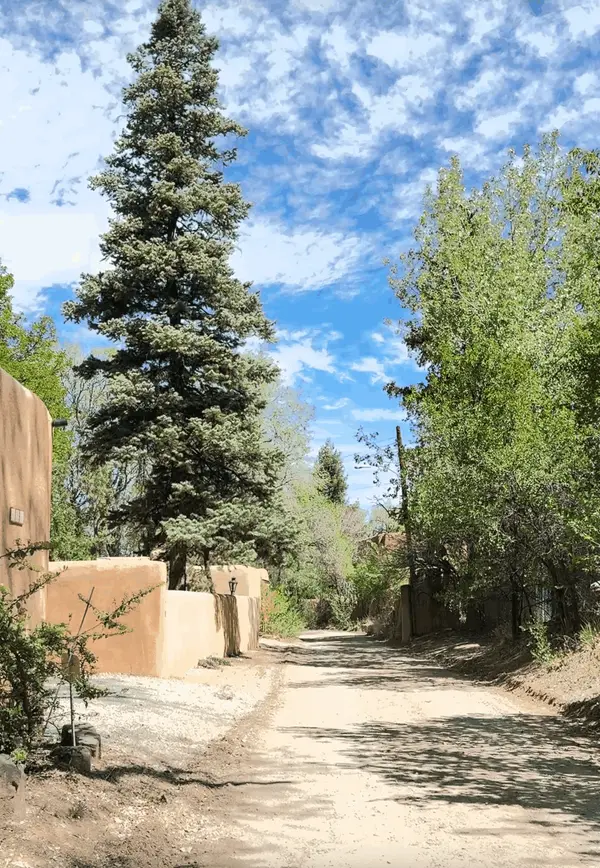
This is not bureaucratic overreach. It is exactly why Santa Fe looks the way it does, and why your home will hold its character and value over time. The HDRB is the reason that when you drive down a historic street, the houses look like they grew out of the landscape instead of being plopped onto it. But you have to know the rules before you fall in love with a renovation idea.
I walk every buyer through what the HDRB allows for a specific property before we write an offer. It is one of the most important conversations in buying a historic Santa Fe home, and one of the most commonly skipped.
The Cultural Calendar Shapes Your Year
In most cities, the year is shaped by the weather and the sports schedule. In Santa Fe, the year is shaped by the cultural calendar, and once you live here you will start planning your life around it.
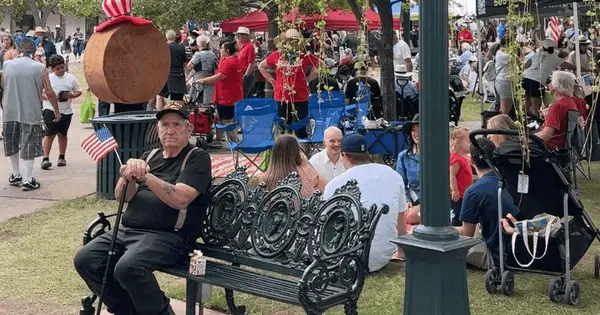
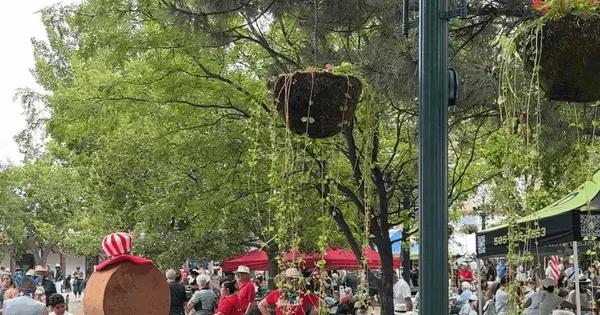
August brings the Santa Fe Indian Market, the largest and most significant Native American art market in the world. For one weekend, the Plaza fills with artists who have traveled from pueblos and reservations across the country, and the city swells with collectors, curators, and people who have been coming for decades. If you live downtown, you do not need to attend. It attends you.
Summer also brings Traditional Spanish Market, the Santa Fe Opera season, and the long slow buildup to Zozobra, the burning of Old Man Gloom that officially marks the start of Fiesta. September and early October are the crown jewel of the year, with golden aspens, balloon festival weekend nearby in Albuquerque, and some of the most beautiful light you will ever see. Canyon Road Farolito Walk on Christmas Eve is the kind of tradition that makes you understand why people never move away.
These are not tourist events you visit. They become part of the fabric of your year. After your first full year in Santa Fe, you will catch yourself saying things like "we always host friends for Indian Market" and realize you have become a local.
Why History Makes Santa Fe Different from Aspen, Jackson Hole, and Napa
Most of my buyers looked at the other big American luxury destinations before they landed on Santa Fe. Aspen, Jackson Hole, Telluride, Napa, Park City. The comparison is common and the reasons are consistent.
Those other places are beautiful. But they are also mostly new. Their luxury is built, not inherited. Their architecture is impressive but imported, a collection of styles brought from somewhere else. Their cultural identity is largely defined by what brought the wealthy there in the first place: skiing, wine, summer.
Santa Fe is different because its identity is older than its wealth. Before it was a luxury destination, it was a living city for four centuries. The adobe architecture, the Native and Hispanic cultural traditions, the art scene that dates back to the 1920s, and the slow rhythm of life were all here long before anyone thought of Santa Fe as a luxury market. That is what people mean when they use the phrase the quiet luxury of authentic living. Santa Fe is not performing anything. It is just being what it has been for a very long time, and now a particular kind of buyer is finally catching on.
The Neighborhoods Each Carry Their Own History
One of the pleasures of choosing where to live in Santa Fe is that each Santa Fe neighborhood carries its own historical layer.
The Historic Eastside is the oldest residential area of the city, with adobes that predate New Mexico statehood. Canyon Road was the city's first artists' colony in the 1920s, home to Georgia O'Keeffe and generations of painters since. Museum Hill sits above the Plaza on land that was part of the Camino Real, the royal trade route from Mexico City. South Capitol grew up around the state government in the territorial era. Tesuque traces its name to the Pueblo that has been there for centuries. Even newer communities like Las Campanas, developed in 1992, were carefully designed in the Pueblo Revival and Territorial styles that reflect the region's inherited architectural identity.
Choosing where to live in Santa Fe is partly choosing which chapter of the city's history you want to live inside. Some buyers want the authentic 1800s Eastside. Others want the 1920s artist energy of Canyon Road. Others want the calm of a newer community that honors the old without being old itself. All of these are legitimate choices. None of them are wrong. But they are different, and the history matters.
The Responsibility of Being the Next Chapter
When you buy a historic home in Santa Fe, especially an original adobe, you become part of a chain of stewards that may stretch back two hundred years. The people who came before you made choices about how to care for the walls, what to preserve, what to change, what to leave alone. Now the choices are yours.
This is not a burden. It is one of the most meaningful things about owning in a place like this. Every homeowner I know who has committed to an historic Santa Fe property talks about it the same way, eventually. They stop calling it "our house" and start calling it "the house." They learn its quirks. They find out which wall was added in 1952 and which one has been there since 1878. They meet neighbors whose grandmothers remember when a different family owned it. They become part of something.
This is also why I am careful with buyers who are not ready for it. A historic Santa Fe home is not a purchase for someone who wants everything new and perfect. The cracks are a feature. The maintenance is a practice. The history is a presence that you will feel every day. If that sounds like too much, there are beautiful newer homes in Santa Fe that will suit you better. If it sounds like exactly what you have been looking for, welcome.
How to Know If This Life Is Right for You
Here is what I tell buyers who are trying to decide.
Come to Santa Fe for a week that is not a vacation. Rent a home in a residential neighborhood, not a hotel. Shop for groceries, get coffee at the same spot two mornings in a row, go to a lecture at the New Mexico History Museum or an opening on Canyon Road, attend a service at San Miguel Chapel (the oldest church in the United States), eat dinner somewhere locals eat. See how you feel on Tuesday at three in the afternoon, which is when you will actually be living here.
If you come home feeling like you cannot wait to get back, you have your answer. That particular pull is the sound of a four-hundred-year-old city recognizing you.
Santa Fe has a way of choosing people who belong here. If it is choosing you, you will know.
Categories
Recent Posts